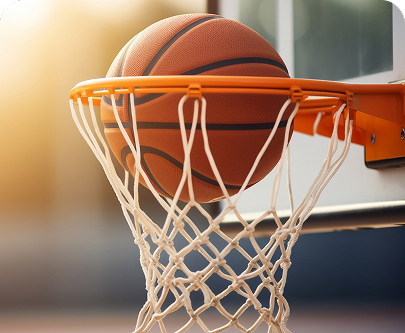
Basketball is one of the most popular sports in schools, sports academies, and recreational facilities. A well-designed basketball court is essential not only for professional gameplay but also for safety, durability, and long-term performance. Whether it is installed in a school playground, sports complex, residential society, or training academy, proper planning and the right flooring materials are crucial to ensure a high-quality playing surface. This blog explores the essential aspects of basketball court construction, including court dimensions, flooring options, and important factors to consider during installation. Standard Basketball Court Dimensions A basketball court follows specific measurements defined by international and professional standards. These dimensions ensure uniform gameplay and proper player movement. Full Court Size: 28 meters (length) × 15 meters (width) – according to international standards NBA Court Size: 28.65 meters × 15.24 meters Half Court: Approximately 14 meters × 15 meters Important markings on the court include: Center circle Free throw line Three-point arc Key area (painted area) Baselines and sidelines Accurate line markings are critical to maintain game integrity and ensure players can follow official rules during matches. Types of Basketball Court Flooring Selecting the right flooring material plays a major role in the performance and durability of the court. Acrylic Sports Flooring Acrylic surfaces are widely used for outdoor basketball courts. They provide excellent grip, weather resistance, and long-lasting performance. The surface also offers good ball bounce and player comfort. PU (Polyurethane) Sports Flooring Polyurethane flooring provides higher flexibility and shock absorption. It is commonly used in professional sports facilities and indoor courts. Modular Sports Tiles These interlocking tiles are easy to install and maintain. They are often used in schools and temporary courts due to their convenience and quick installation process. Important Factors in Basketball Court Construction Proper Sub-base Preparation The base of the court must be level, stable, and properly compacted. A strong sub-base prevents cracks, water damage, and uneven surfaces over time. Surface Grip and Safety Basketball involves quick direction changes, running, and jumping. Therefore, the court surface must provide adequate grip to prevent slipping and reduce the risk of injuries. Weather Resistance Outdoor basketball courts are exposed to sunlight, rain, and temperature changes. High-quality sports flooring materials ensure the surface remains durable and colour-stable under different weather conditions. Correct Line Marking Precise line marking ensures compliance with official basketball rules. High-quality sports paints are used to maintain visibility and durability of the court markings. Benefits of a Well-Designed Basketball Court A properly constructed basketball court provides several advantages: Improved player performance Better safety and reduced injuries Long-lasting sports infrastructure Professional playing experience Enhanced aesthetics for sports facilities For schools, sports clubs, and community parks, investing in a quality basketball court encourages physical activity and promotes a healthy sporting culture. Conclusion Basketball courts require careful planning, precise dimensions, and high-quality sports flooring materials to ensure long-term performance and safety. From selecting the right surface to proper line markings and base preparation, every element contributes to creating a reliable and professional sports facility. With the growing demand for sports infrastructure, well-designed basketball courts are becoming an important addition to schools, academies, residential complexes, and public sports facilities.
- Home
-
EPDM Sports Flooring
Sports Grass Flooring
PVC Sports Flooring
GYM Sports Flooring
Wooden Sports Flooring
Track & Field Flooring
Acrylic Sports Flooring
- Sports Equipment
- Design Your Court
- Architect & Contractor
- Install Tools
- Blogs